Old English Font: A Designer’s Honest Review for Real Embroidery Projects
First Impressions: Bold, Classic, and Full of Character
As an embroidery designer with years of experience creating custom pieces for Etsy sellers and boutique brands, I’m always on the lookout for fonts that add visual impact without compromising stitch quality. When I first downloaded the Old English Font from Creative Fabrica, I was immediately drawn to its bold, medieval aesthetic. It has that timeless, almost regal look that works especially well for personalized gifts, vintage-style apparel, and school-themed embroidery projects.
The font carries a strong visual mood—think knights, manuscripts, and old-world charm. It's not a delicate script; it’s meant to stand out. Each letter has a dense, structured stitch pattern that gives it weight and presence on fabric. This makes it ideal for names, monograms, or short quotes that need to make a statement.
Design Details: What You See Is What You Get
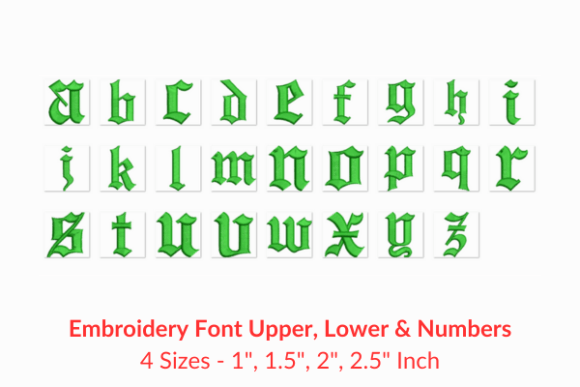
One of the first things I checked was the level of detail in the letterforms. The serifs are sharp, the curves are deliberate, and there’s a clear rhythm between letters. The font includes both uppercase and lowercase characters, which is a big plus for designers who want flexibility in layout and style.
What I appreciate most is that the Old English Font doesn’t rely on excessive satin stitches or over-decorated elements. It maintains a clean, readable structure while still feeling ornate. That’s a tricky balance in machine embroidery design—too much detail and you risk distortion; too little and you lose the visual appeal.
Real-World Use: From Sweatshirts to Nursery Decor
I tested the font across a variety of materials and project types, including:
- Custom sweatshirts and hoodies
- Personalized baby blankets
- Kitchen towels and aprons
- Pillow covers and nursery decor
- Embroidered patches and tote bags
On cotton and linen, the font stitched out cleanly with minimal puckering. On stretchy knit fabrics like those used in sweatshirts, I made sure to use a quality cutaway stabilizer, which helped maintain the font’s structure and prevent distortion. The dense stitch areas held up well, even after washing.
For baby items and kitchen linens—products that see frequent washing—I was pleased with how the thread held up. The satin and fill stitches stayed intact, and the font remained legible even after multiple cycles.
Small Hoop Considerations and Fabric Challenges
One of the biggest concerns with any embroidery font is how it performs in smaller hoop sizes. I tested the Old English Font at 2-inch and 3-inch heights, and while the font remained readable, I noticed that the intricate details in some letters (like the serifs on the capital “A” or the crossbar on the “H”) were slightly compressed. This is expected with any decorative font, but it’s worth noting if you plan to use it for tiny lettering.
When working with dark fabrics, I found that contrasting thread colors—like white or gold—really made the font pop. On textured or napped fabrics like felt or fleece, the font still read clearly, though I recommend doing a test stitch-out first to ensure the details aren’t lost in the fabric texture.
For curved surfaces like baseball caps, I suggest using a cap frame or adjusting the stitch density slightly to accommodate the contour. The font’s structured layout makes it easier to align on curved areas compared to more flowing scripts.
Commercial Viability: Selling with Confidence
If you’re an Etsy seller, craft fair vendor, or small business owner using embroidery to personalize handmade products, the Old English Font can elevate your offerings. Its classic appeal and strong visual presence make embroidered items feel more premium, which can help justify higher price points.
I used it to create a line of personalized pillow covers for a boutique client, and the feedback was overwhelmingly positive. Customers loved the vintage look and the fact that the font added a unique, handmade touch without looking overly trendy.
From a branding perspective, this font helps maintain consistency across product lines. Whether you’re making baby gifts, school-themed items, or seasonal decor, the font’s versatility allows for cohesive design language.
Mockups and Marketing: Helping You Sell Smarter
Another benefit of using the Old English Font is its visual appeal in product photography and digital mockups. Because of its strong silhouette and defined lines, it photographs beautifully and stands out in printable mockups. This is especially useful for digital product sellers offering embroidery files or design assets on Creative Fabrica or other marketplaces.
When showcasing your work on social media or product listings, this font helps your items look more polished and professional. It also makes for great visual storytelling—think rustic wedding signs, vintage-style baby gifts, or historical-themed merchandise for schools or clubs.
Practical Embroidery Notes: Test Before You Commit
Before using the Old English Font in a customer project, I always recommend a few best practices:
- Test on scrap fabric—especially if you're working with stretchy, textured, or dark materials.
- Check thread color contrast to ensure the font remains legible and visually striking.
- Review stitch density and adjust if needed, especially for curved or layered surfaces.
- Confirm hoop size compatibility with your machine before stitching out on a finished item.
- Use the right stabilizer—cutaway for stretchy fabrics, tear-away for stable weaves.
- Inspect small details post-stitching to ensure no serifs or letterforms were lost during embroidery.
- Review file details and licensing directly on the Creative Fabrica product page before selling finished items.
Final Thoughts: Worth the Download for Designers and Sellers Alike
Overall, the Old English Font is a solid addition to any embroidery designer’s toolkit. Whether you’re creating personalized gifts, school-themed items, or commercial embroidery products, this font offers a unique blend of style and practicality.
It’s not a one-size-fits-all solution—especially for very small lettering or ultra-detailed work—but for medium to large text applications, it delivers strong results. And for Etsy sellers and small business owners, it’s a great way to add value and visual appeal to your handmade products without overcomplicating the embroidery process.
If you're looking to elevate your embroidery projects with a font that feels both timeless and distinctive, I’d definitely recommend giving the Old English Font a try. Just remember to test, adjust, and stitch with intention—and you’ll be rewarded with beautiful, professional results every time.