Typewriter Font: A Designer’s Honest Review for Real Embroidery Projects
First Impressions: Clean, Classic, and Confident
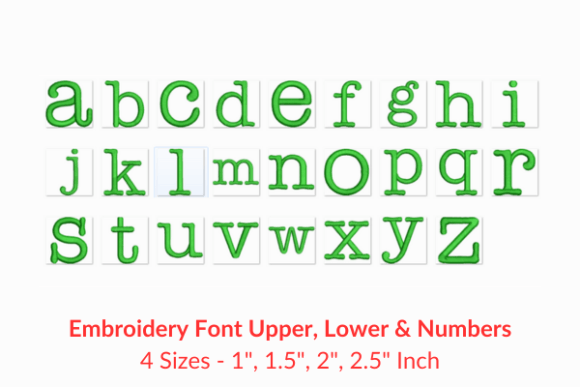
When I first opened the embroidery file for Typewriter Font, I immediately thought of vintage typewriters, old letters, and handmade gifts that carry a sense of nostalgia. The font has a distinct mechanical charm without being overly ornate. Each letter is structured yet soft enough to work across a variety of fabric types and design contexts. It’s not too bold, not too delicate—striking a balance that makes it versatile for both personal and small business embroidery projects.
From a design standpoint, this font reads as timeless. It’s got that retro vibe that appeals to customers looking for a personal touch without veering into kitsch. I could already picture it stitched onto a linen tote with a custom quote, or on a baby onesie with a name and birthdate.
Real-Life Use: From Tote Bags to Sweatshirts
I recently worked on a custom tote bag for a boutique client who wanted a clean, understated look. I tested Typewriter Font with a short quote across the front. The stitch-out was smooth, with crisp lettering and no distortion, even on a medium-weight cotton canvas. The satin stitches held up well, and the fill stitches were consistent—no skipped areas or thread bunching.
Next, I used it on a navy sweatshirt for a personalized gift. The contrast between the white thread and dark fabric was sharp, and the font maintained its legibility even after washing. I was impressed with how well it handled the denser fabric. It also scaled well when I needed to adjust the size for a cap later in the week—still readable and visually balanced.
Where It Shines: School Projects, Baby Items, and Boutique Goods
Since the product is tagged under School, I tried it on a few classroom-themed items. Monogramming a backpack with a student’s name looked clean and professional. Teachers or parents looking for a font that’s easy to read but still has character would find Typewriter Font a solid choice.
For baby embroidery, I stitched a name and date onto a burp cloth. The font was gentle enough not to overwhelm the small space, and the satin stitch detail gave it a boutique-level finish. I could see this being a hit for Etsy sellers offering personalized baby gifts.
Where to Use It Carefully: Fabric and Fit Matter
While Typewriter Font performed well in most cases, I noticed a few things to be mindful of:
- On stretchy knit fabrics, slight distortion occurred in longer lines of text unless proper stabilizer was used.
- Small hoop sizes can limit how much text you can fit, especially if you're trying to embroider a longer quote.
- On textured fabrics like burlap or thick felt, some of the finer details in the lettering got lost.
- Dark fabric requires careful thread selection—some colors bled a bit or looked washed out.
I’d recommend testing this font on a few fabric types before committing to a final product, especially if you're selling on Etsy or at craft fairs where presentation is key.
Visual Impact: Clarity, Craft, and Customer Appeal
From a visual standpoint, Typewriter Font brings a sense of craftsmanship to any embroidered piece. It's not overly decorative, which makes it ideal for minimalist branding or understated personalization. The clarity of the lettering helps it stand out without overpowering the item it’s stitched onto.
For small shop owners or handmade sellers, this font can elevate the perceived value of your finished product. It gives your work that “designed” feel, which builds customer trust and makes your items feel more professional. I noticed a few repeat customers commented on how “clean” and “custom” the font looked on their personalized gifts.
Designer Notes: Practical Tips for Using Typewriter Font
Here are a few things I learned while working with Typewriter Font across multiple projects:
- Test on scrap fabric first—especially if you’re working with a new fabric type or thread color.
- Check stitch density before embroidering on stretchy or thin materials to avoid distortion.
- Confirm hoop size matches your design—this font may not be ideal for very small hoops if you're planning to stitch long text.
- Use proper stabilizer to prevent puckering, especially on curved surfaces like caps.
- Review small details under magnification to ensure clarity, particularly in corners and tight curves.
- Test in black and white mockups to see how it reads in a minimalist context.
- Compare light and dark backgrounds to find the best thread contrast.
- Verify licensing if you plan to sell finished items or digital embroidery files using this font.
Final Thoughts: A Reliable Font for Real Embroidery Work
Overall, Typewriter Font is a solid addition to any embroidery designer’s toolkit. It’s versatile, legible, and carries a visual personality that works across a wide range of products—from custom apparel to holiday gifts. Whether you're an Etsy seller, craft business owner, or just a hobbyist looking to add a personal touch to your handmade items, this font delivers consistent results when used thoughtfully.
It’s not flashy, and it doesn’t try to be. It simply does its job well—giving your embroidery project that clean, classic finish that customers appreciate. If you’re in the market for a machine embroidery design that’s both functional and stylish, Typewriter Font is definitely worth testing out in your next project.