SweetRose Font: A Craft Fair Designer’s Honest Review
First Impressions: Soft, Elegant, and Versatile
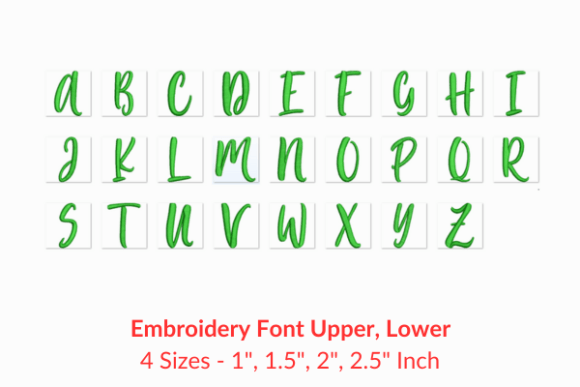
As an embroidery designer who crafts for weekend markets and handmade shops, I immediately noticed how SweetRose Font feels soft and slightly decorative without being overly fussy. It’s not bold or playful like a kids’ font, but it’s also not formal enough for monogrammed stationery. Instead, it lands somewhere in between—elegant, with a touch of charm. It reads as a modern farmhouse meets minimal cottage style, which is perfect for tote bags, tea towels, and pillow covers that sell well at craft fairs.
How SweetRose Font Performs on Craft Fair Products
Let’s talk real-world application. I tested this machine embroidery design across a few product types I regularly sell: tote bags, aprons, tea towels, embroidered patches, and pillow covers. Here’s how it held up:
- Tote bags: Works beautifully as a center-back accent or on the front corner. The font is legible but not too loud, making it ideal for customizing with names or short quotes.
- Aprons: Looks great on the chest or hemline. It adds a personal touch without overwhelming the fabric, especially on linen or cotton blends.
- Tea towels: Perfect for adding a name or date along the hem. The texture of the towel doesn’t interfere with the design as long as you use a light stitch density.
- Embroidered patches: The font holds up well when scaled to fit a patch, especially if you're creating a collection of name patches or quote-based designs.
- Pillow covers: Adds a boutique-style finish when centered on the front. It’s delicate enough to pair with lace or ruffles but still visible from a few feet away.
Photography & Online Listings: Does It Translate?
One of the biggest concerns for Etsy sellers and digital crafters is how well a design photographs. SweetRose Font does well in photos when paired with high-contrast thread and clean fabric. It looks crisp in listing photos, especially when used on white or light cotton. For online shoppers, this font reads as “handmade with care,” which helps justify a small price bump for personalization.
Batch Production: Is It Repeatable?
If you’re planning to make a dozen embroidered tote bags or aprons for your next market, you’ll want a font that’s easy to stitch out consistently. SweetRose Font is straightforward to hoop and sew, assuming you’re using a standard hoop size. There’s no excessive underlay or overly tight stitch clusters that gum up the machine. That said, I recommend checking stitch density before production, especially if you’re working with textured towels or thick cotton canvas.
Where to Use It (And Where to Avoid)
Here’s a quick breakdown of where this embroidery file shines—and where it might fall short:
- Best on: Light-colored cotton, linen, and smooth weaves. Works well on tote bags, pillow covers, aprons, and embroidered patches.
- Use with caution on: Thick fabrics like denim or felt, dark-colored materials (especially if thread contrast is low), curved surfaces like caps, and textured towels where small details may get lost.
If you’re planning to use it on caps or curved surfaces, test it on a scrap first. The font’s delicate lines can get distorted if the fabric isn’t taut or if the stabilizer isn’t right. And if you're going for small lettering—like on a pouch or patch—be sure the letters don’t blur together.
Visual Appeal and Customer Engagement
At a craft fair, you have seconds to catch a buyer’s eye. SweetRose Font does well in that department because it’s elegant but not stiff. It feels personal, which is key when selling handmade products. Whether it’s stitched on a gift tote or a custom apron, this font adds perceived value without looking mass-produced.
From a booth display standpoint, it pairs well with rustic wood signs, lace runners, and vintage-style props. It gives your handmade items a boutique-level finish that shoppers associate with quality and care.
Production Tips for Embroidery Designers
Before you jump into production, here are a few things to keep in mind as a serious craft fair seller or small shop owner:
- Test on scrap fabric—especially if you’re using a textured or thick material.
- Check thread contrast against your fabric. A soft pink thread on ivory linen reads beautifully, but the same on navy might get lost.
- Review spacing between letters to avoid a cluttered look, especially on short words.
- Confirm hoop size matches your machine and product layout. You don’t want to be resizing mid-production.
- Inspect stitch density—especially in the decorative flourishes. Too tight can pucker fabric; too loose can look unfinished.
- Use the right stabilizer—a medium-weight tear-away works best for cotton and linen.
- Create at least one real mockup before mass-producing. Seeing it in person can reveal issues you might miss in digital previews.
- Compare fabric colors with your thread palette. Sometimes a slight shade shift can make the font pop more.
- Confirm commercial licensing before selling finished products. Make sure the digital embroidery file allows for resale of items.
Final Thoughts: A Solid Choice for Handmade Sellers
SweetRose Font is a reliable, elegant option for handmade product sellers who want to offer personalization without going too bold. It works well across a range of fabric types and booth displays, and it photographs beautifully for Etsy listings and printable mockups. Just be mindful of its limitations—especially on thick or textured materials—and always test before production.
If you're preparing for a weekend craft fair or updating your small shop product line, this embroidery design is worth considering. It brings a touch of soft sophistication that resonates with buyers looking for something handmade, meaningful, and just a little bit special.